AC Repair and Installation
Fixes for warm air, ice, and noise, or a new high-efficiency system.
No heat on a cold night, or an AC that quit in July? Tell us what is going on and get a free estimate on a new system, backed by a 13-year parts and labor warranty.

Choose one to see the most common problems, what they usually mean, and what you can safely try first.
A dirty flame sensor, a clogged filter, or an ignition problem can stop the burners from staying lit.
Try first: Make sure the thermostat is set to Heat, not Cool or Fan, and swap in a clean filter.
Short cycling often points to a carbon-coated flame sensor, an overheating furnace, or a system that is the wrong size.
Try first: Check the filter and make sure supply vents are open and not blocked by furniture.
A loud bang at startup can mean delayed ignition. A squeal usually comes from the blower motor or belt.
Try first: Turn the system off if the noise is loud or new, and have it checked before running it again.
This can be a sign of carbon monoxide from a cracked heat exchanger or a loose vent pipe. Take it seriously.
Try first: Get everyone outside and call 911 or your gas company. Test your CO alarms once a month.
Low refrigerant, a dirty outdoor coil, or a failing capacitor can keep the system running without cooling the house.
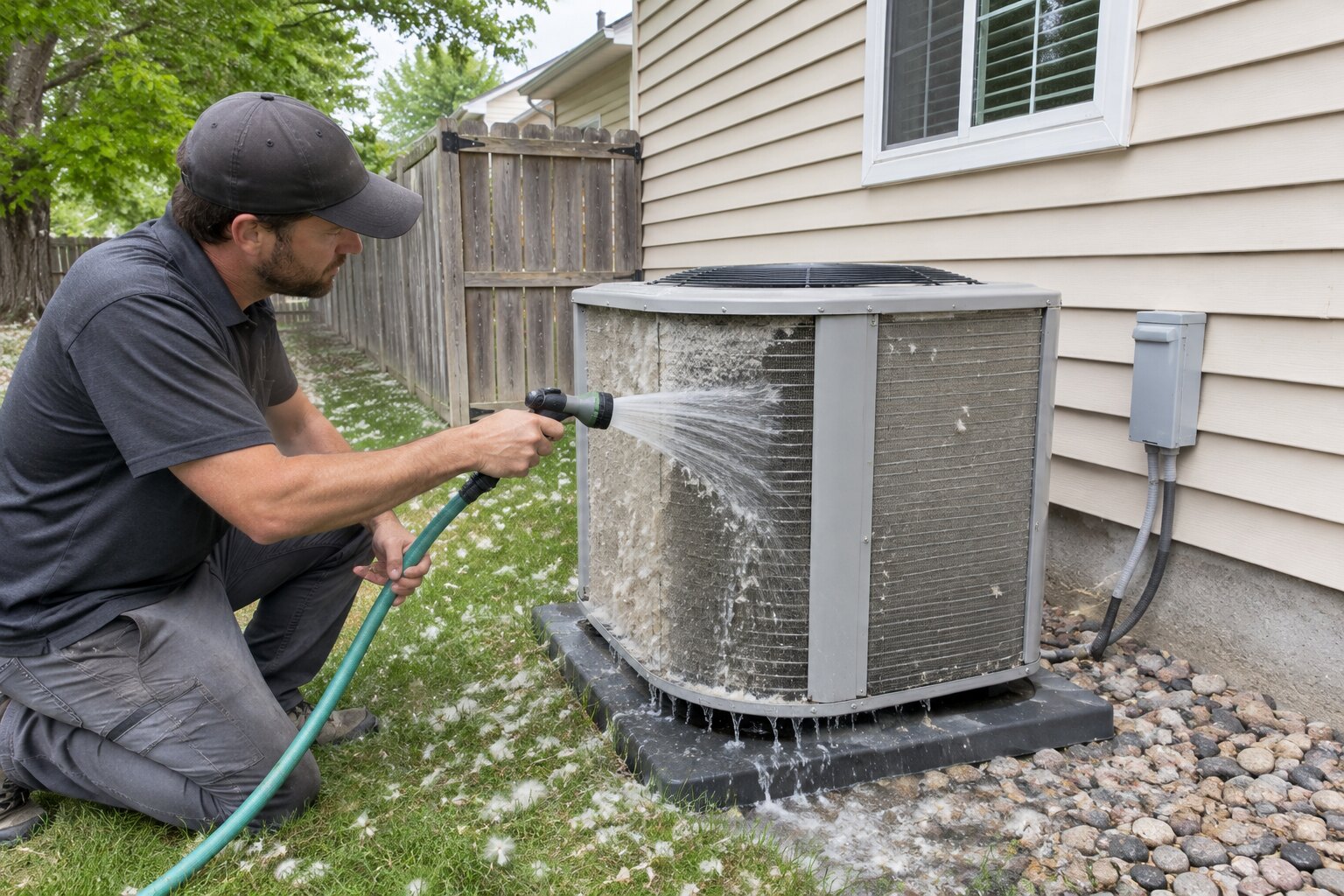
Try first: Change the filter and gently hose off cottonwood or dirt from the outdoor unit with the power off.
Ice on the copper lines or indoor coil usually means poor airflow or low refrigerant. Running it frozen can ruin the compressor.
Try first: Turn the AC off and run just the fan for a few hours to melt the ice.
A tripped breaker, a blown fuse at the outdoor disconnect, or a bad thermostat can keep the AC from starting.
Try first: Check the breaker and the thermostat batteries. Reset a breaker only once.
A clogged drain line or a cracked drain pan under the indoor coil can spill water every time the AC runs.
Try first: Turn the AC off, wipe up the water, and keep it off until the drain is checked.
Answer a few quick questions and we will follow up.
Repairs, new systems, and yearly upkeep for the equipment that keeps your home comfortable.
Fixes for warm air, ice, and noise, or a new high-efficiency system.
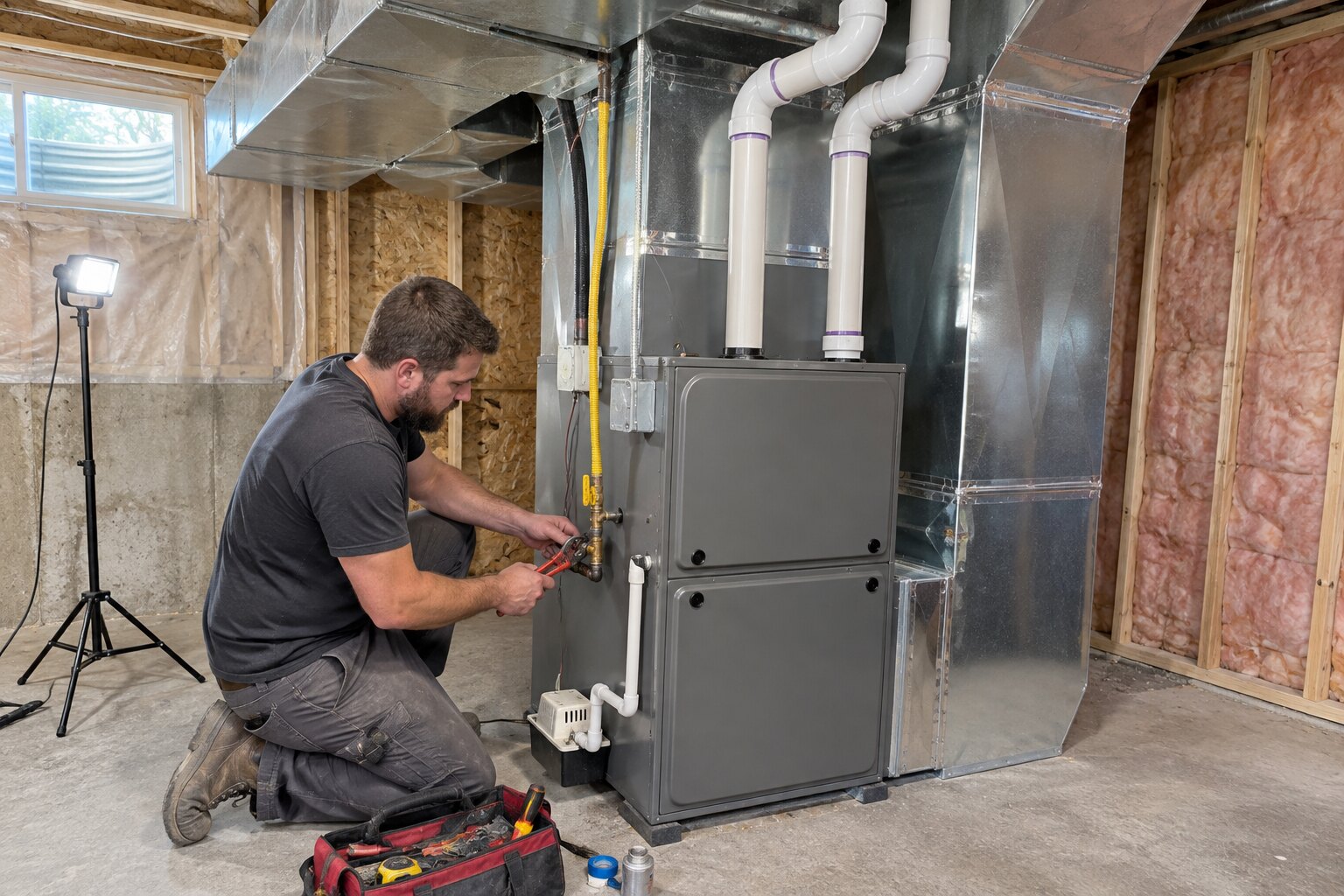
No-heat calls, short cycling, and low-NOx replacements.
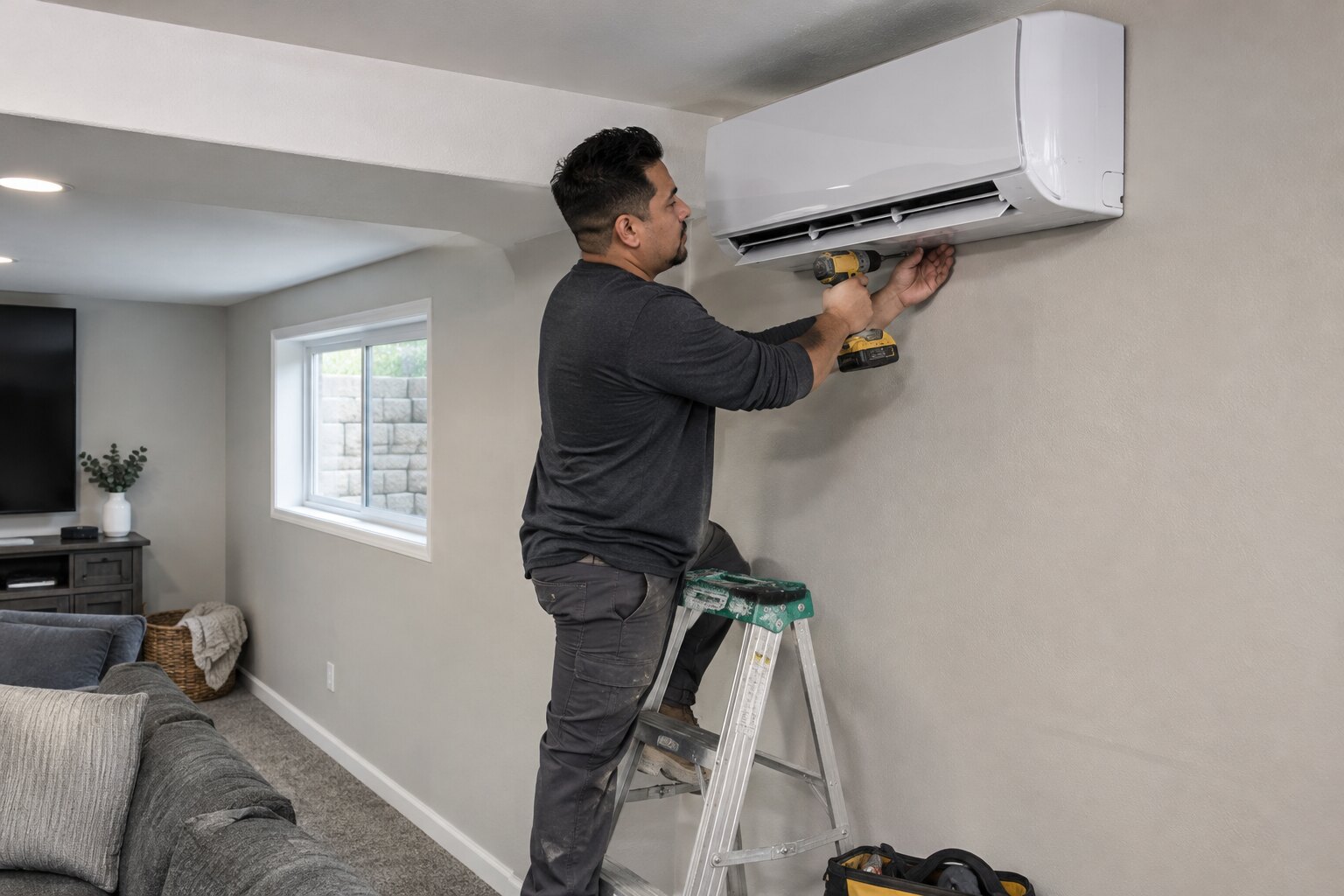
Heating and cooling for basements, additions, and rooms without ducts.
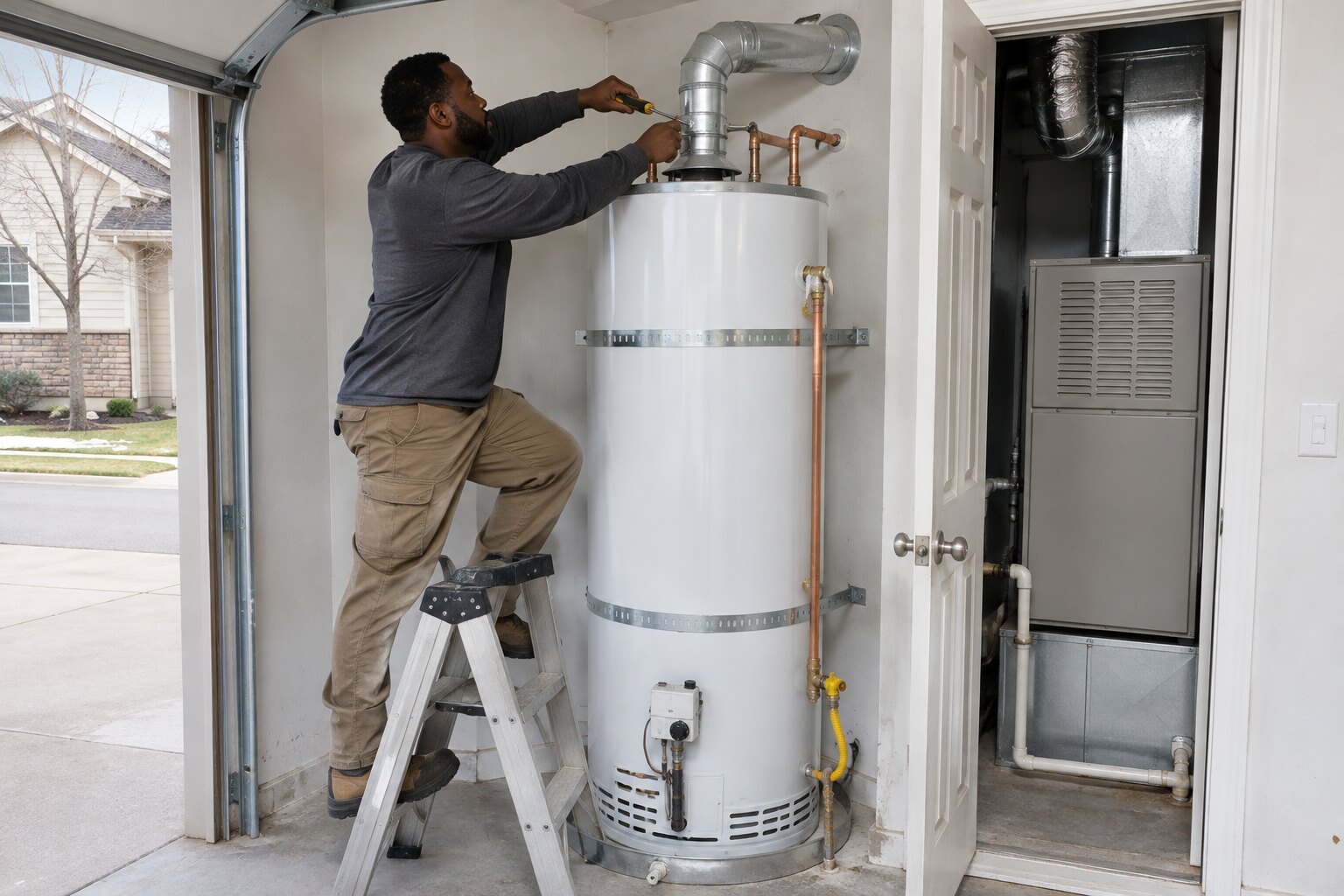
Repair and replacement of tank water heaters.
Most manufacturer warranties cover parts only. Labor is the expensive part of a repair, and that is covered too.

A system that is too big turns on and off all day. One that is too small runs nonstop and never catches up. Choose your home's size for a starting point.
Typical for many Aurora two-story and ranch homes. Ceiling height and insulation can move it up or down.
This is a rough guide only. The right size comes from a load calculation that looks at windows, insulation, and how the home faces the sun.
Get a Sized Estimate
Since January 1, 2026, new gas furnaces installed in Colorado must be low-NOx, meaning they release less of the gases that add to Front Range smog. Standard 80% furnaces no longer qualify in most cases.
You do not have to switch to electric. Some older homes may need a small electrical update. You will know up front if yours does.
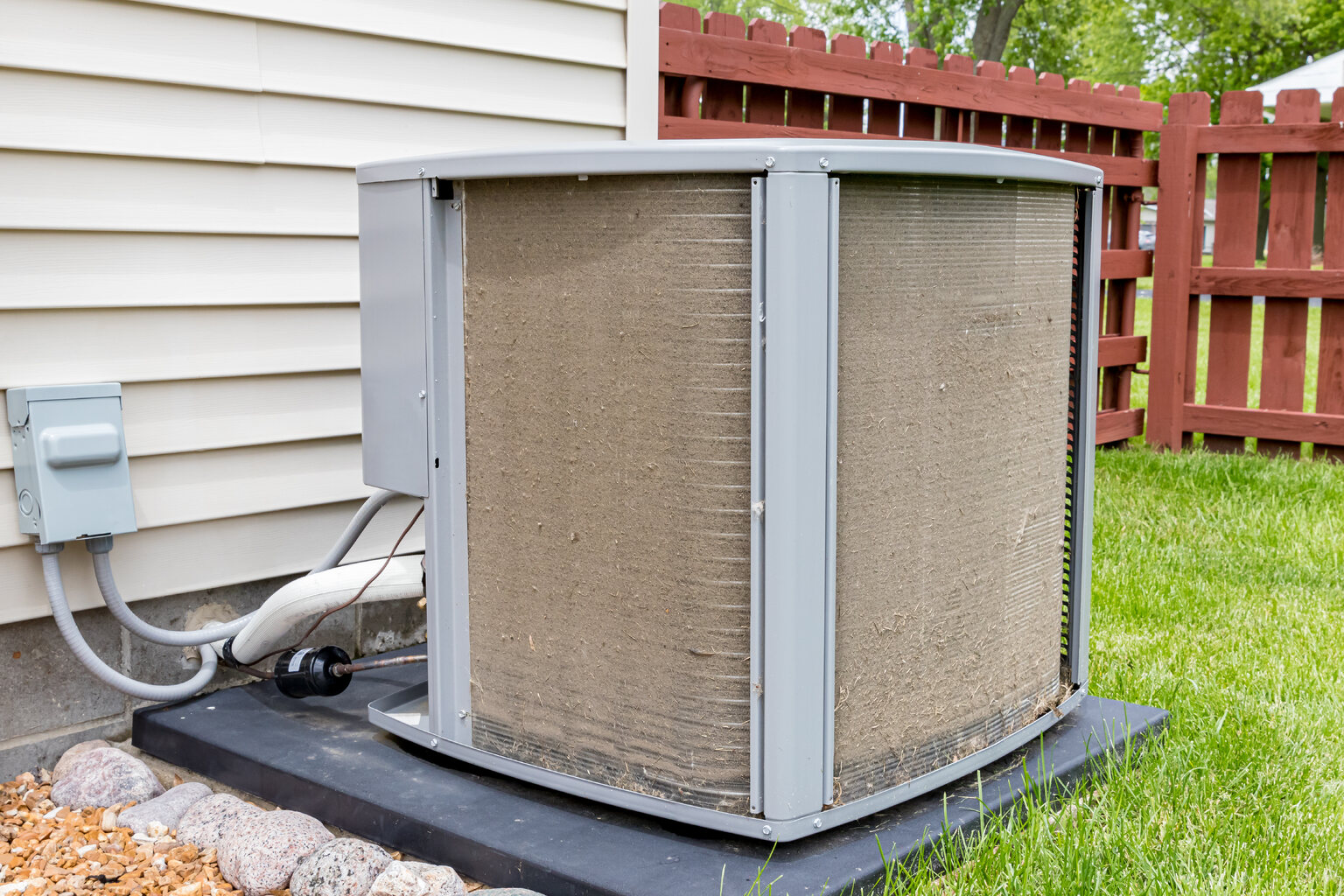
Why that white fluff is so hard on an AC, and how to clean it safely.
Every June, cottonwood trees across the metro area drop fluffy seeds that drift for weeks. Your outdoor AC unit pulls air through its coil, and that fluff gets pulled in with it.
A coil matted with cottonwood cannot let go of heat. The system runs longer, cools less, and the compressor works much harder than it should. Over time that can burn the compressor out.
If the fluff is packed deep in the coil, or the unit still is not cooling after a rinse, a full coil cleaning and refrigerant check is the next step.
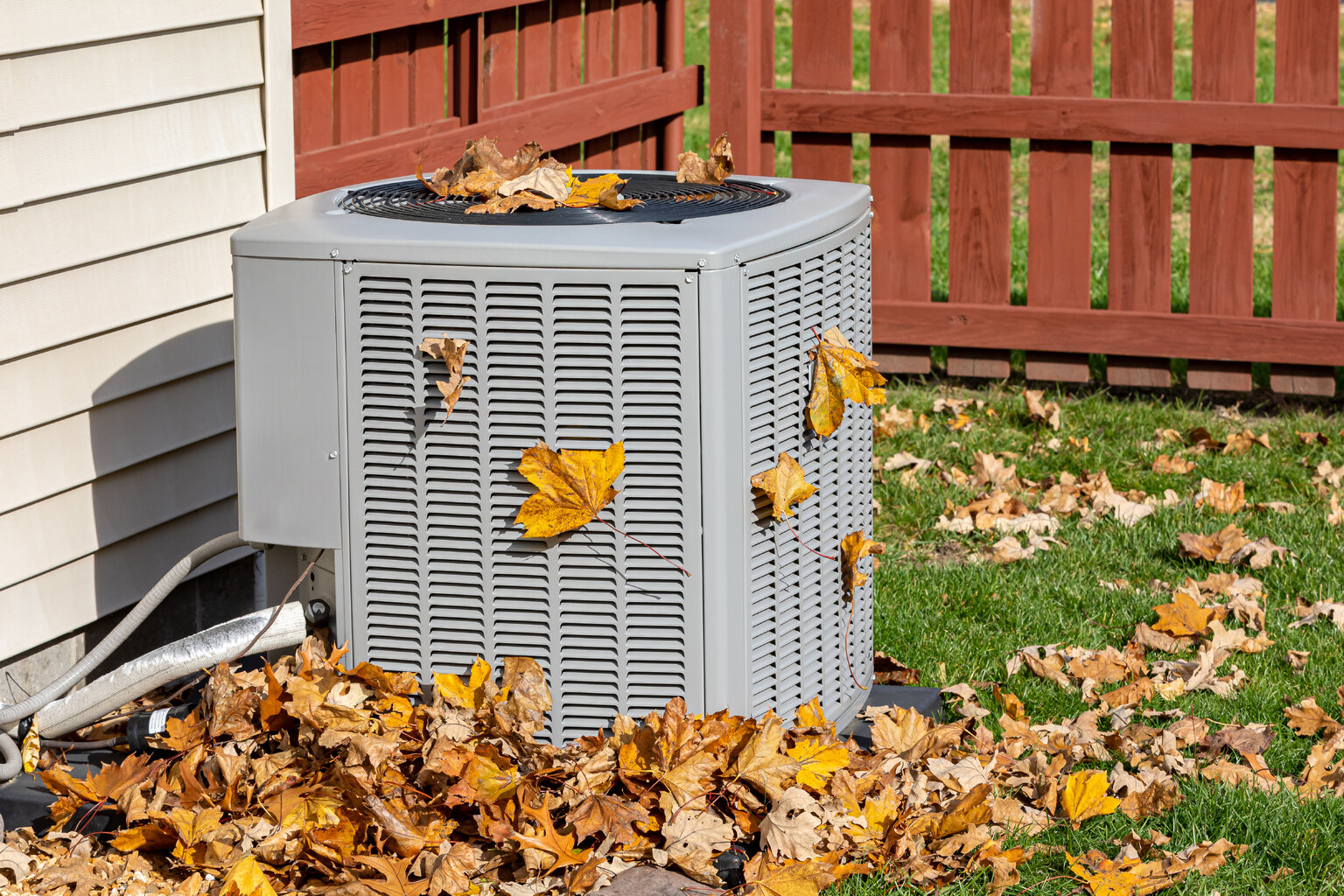
A few simple fall steps that protect the outdoor unit until spring.
Your outdoor unit sits through snow, ice, and wind all winter. A little care in the fall helps it start strong next summer.
Rake leaves away from the unit and pull out any that are stuck in the top grille or fins. Wet leaves hold moisture against the metal.
A full plastic cover can trap moisture and invite mice. If you cover it, use a breathable top-only cover that leaves the sides open.
A heat pump runs all winter, so never cover it. Keep snow and ice cleared from around the base so air can move freely.
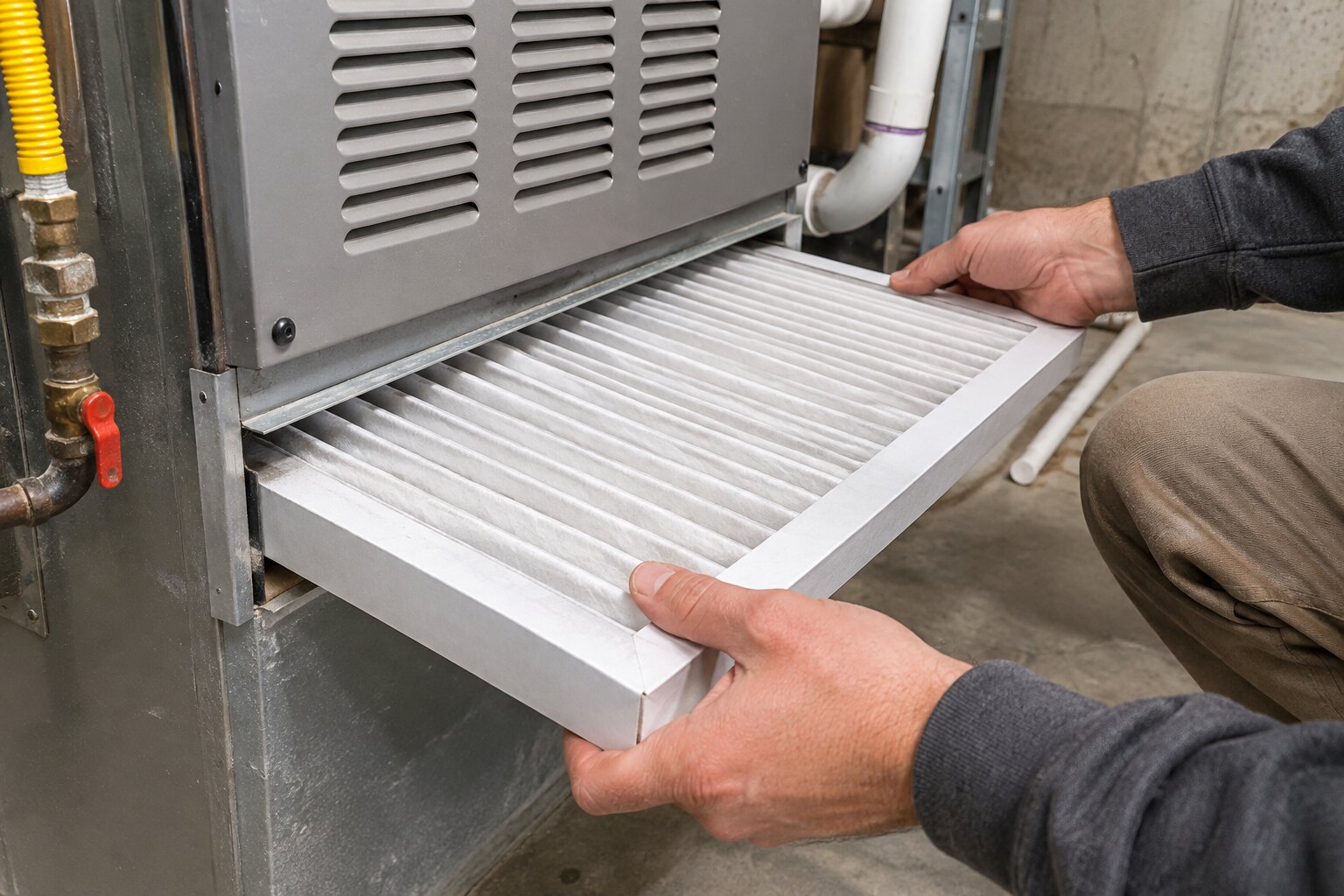
The sounds, smells, and symptoms that mean it is time for a check.
Most furnace problems start small. Knowing the early signs can save a repair bill and keep your family safe.
If people feel sick when the heat runs and better when they leave, carbon monoxide may be leaking from a cracked heat exchanger or a loose vent pipe. Get outside and call 911 or your gas company.
Furnace burners should burn mostly blue. A lazy yellow flame can mean poor combustion and should be checked.
A furnace that starts and stops every few minutes is often dealing with a dirty flame sensor or overheating from a clogged filter.
Most gas furnaces last about 15 to 20 years and most central air conditioners about 12 to 15. Dry air, dust, and cottonwood can shorten that if the system is not cleaned once a year.
If both are over 12 years old, replacing them together usually costs less than two separate jobs, and the parts are made to work as a matched set. Combo pricing is often the best value.
It covers the cost of parts and the labor to fix them for 13 years on qualifying installs. Ask in the chat and we will go over the details for your system.
Yes. Gas furnaces are still allowed. New installs must be low-NOx, which usually means a 95% or higher efficiency furnace or a specialty 80% furnace with ultra-low NOx burners.
Check it every month and change it at least every 90 days. Homes with pets, construction dust, or heavy cottonwood may need a new filter more often.
Yes. Start the chat to request a free estimate on a new system.
Request service for a home in Aurora or a nearby community. Availability depends on the location and the type of work.
Tell us what your furnace or AC is doing and request a free estimate.
Get My Free Estimate